Core authority hub
Industrial Heat Decarbonization Expertises
Deep engineering pages on heat pumps, waste heat recovery, steam systems, MVR, electrification, thermal integration, hot water loops and pinch analysis.
High-temperature electrification
Industrial Heat Pumps
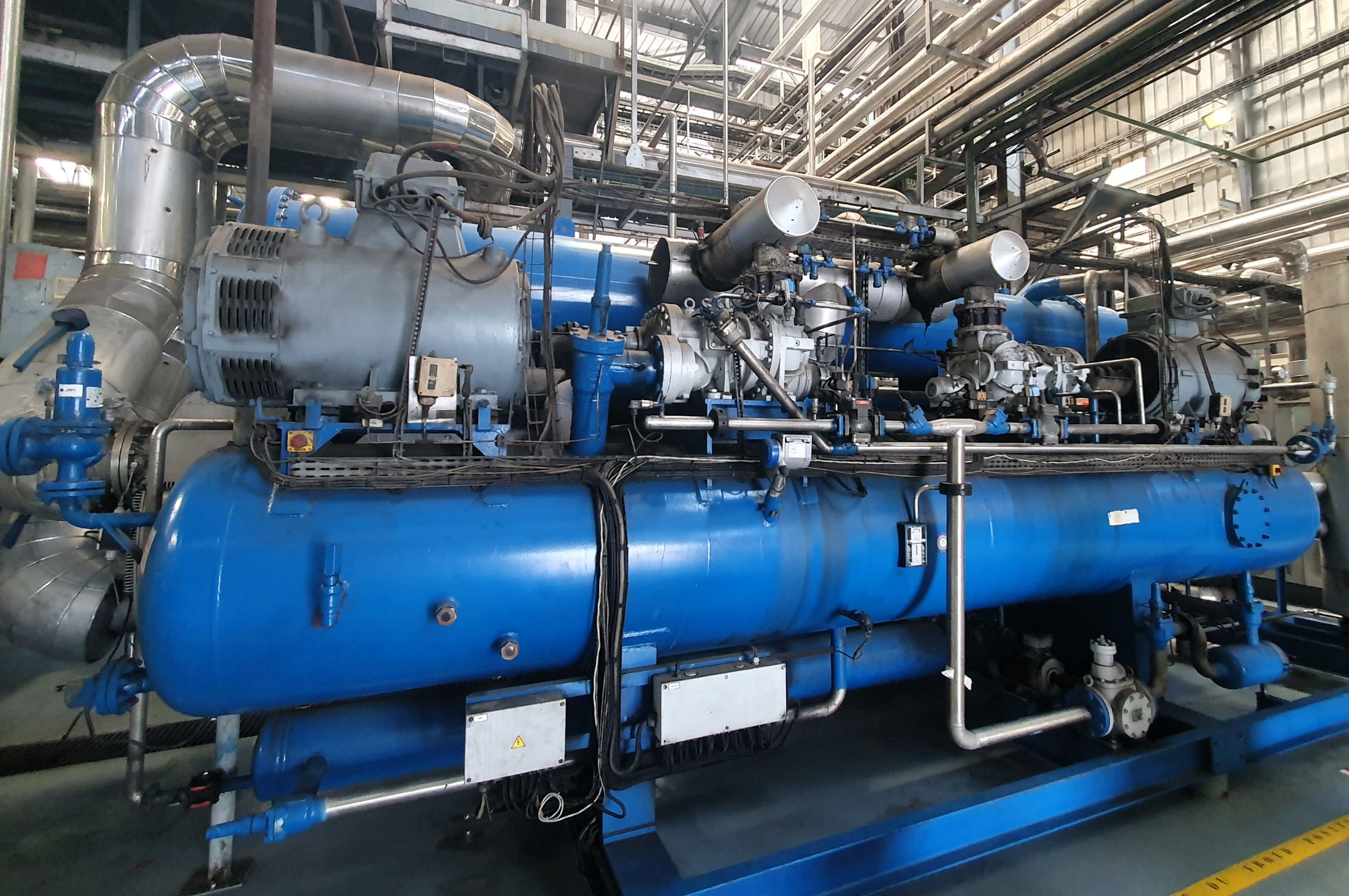
Industrial heat pumps transform low-grade or medium-grade heat into useful process heat. The engineering value is not the machine alone, but the temperature match between waste heat, heat sink, process schedule, hydraulics and electricity price exposure.
Recover before producing
Waste Heat Recovery
Waste heat is not automatically useful energy. Its value depends on temperature, timing, contamination, distance, control and the quality of the receiving heat demand.
From inherited networks to engineered utilities
Steam Systems
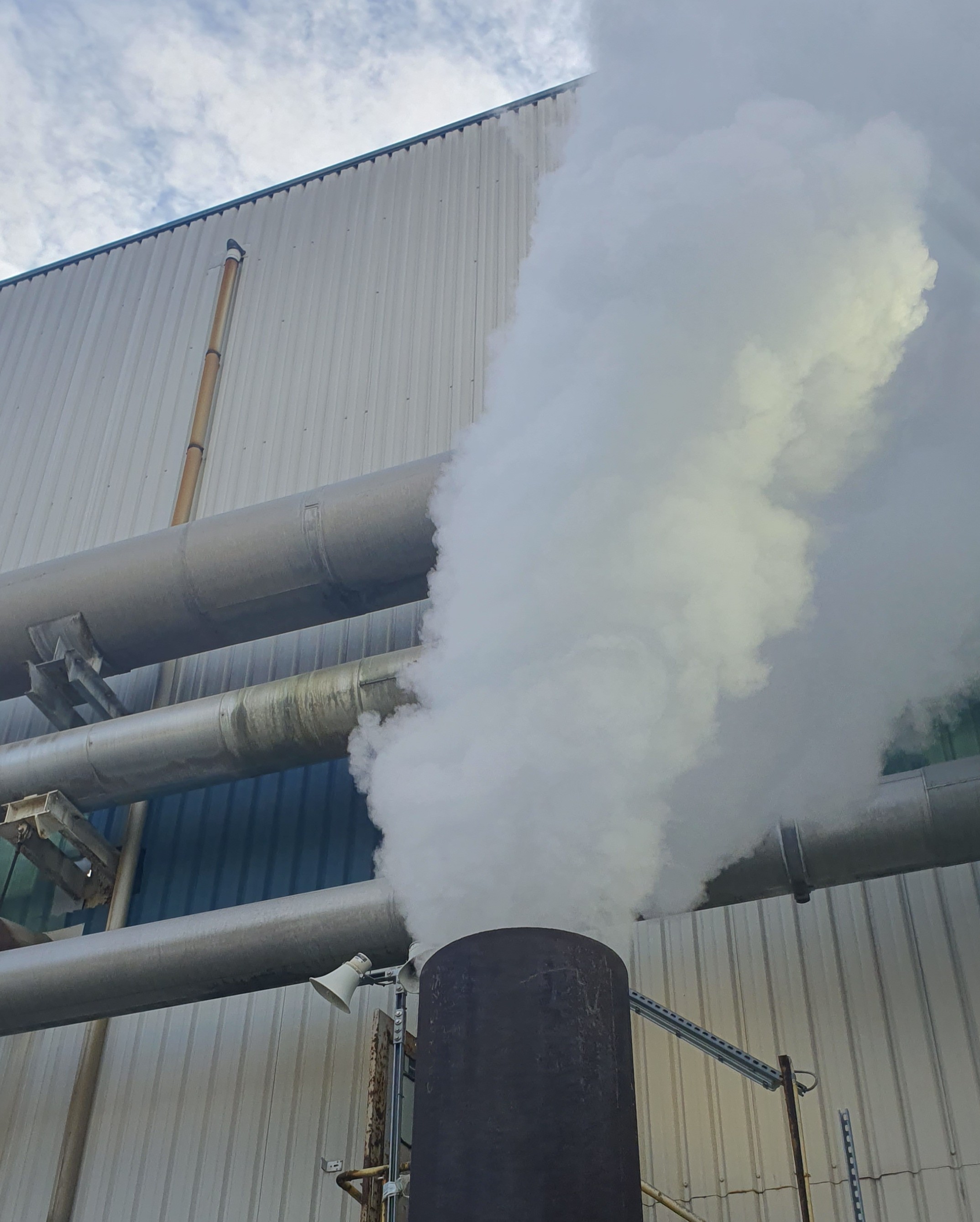
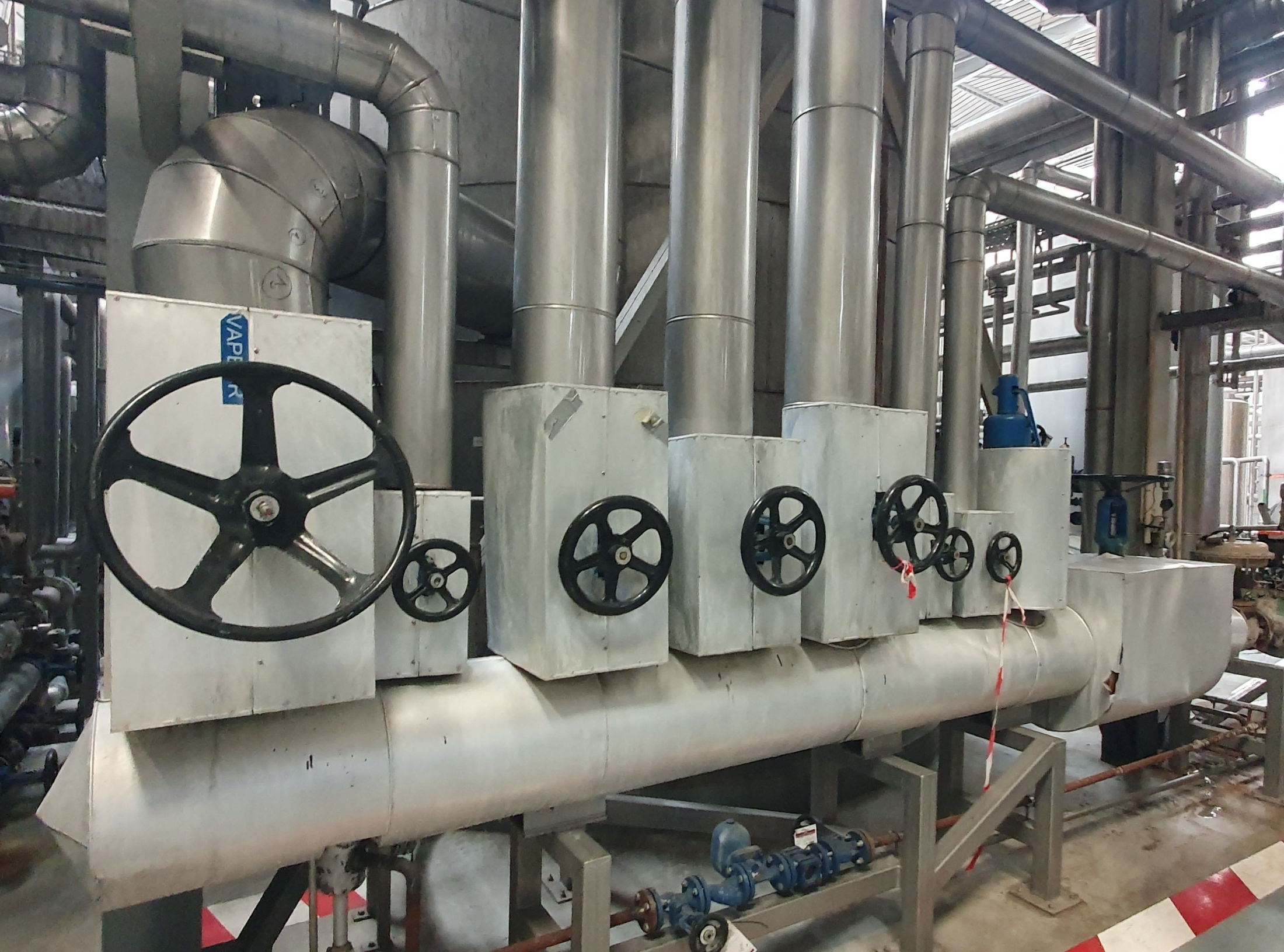
Steam is powerful, compact and familiar, but many networks are oversized, poorly segmented and used where hot water would be more efficient. Steam optimization is often the gateway to electrification.
Electrifying evaporation
MVR / RMV
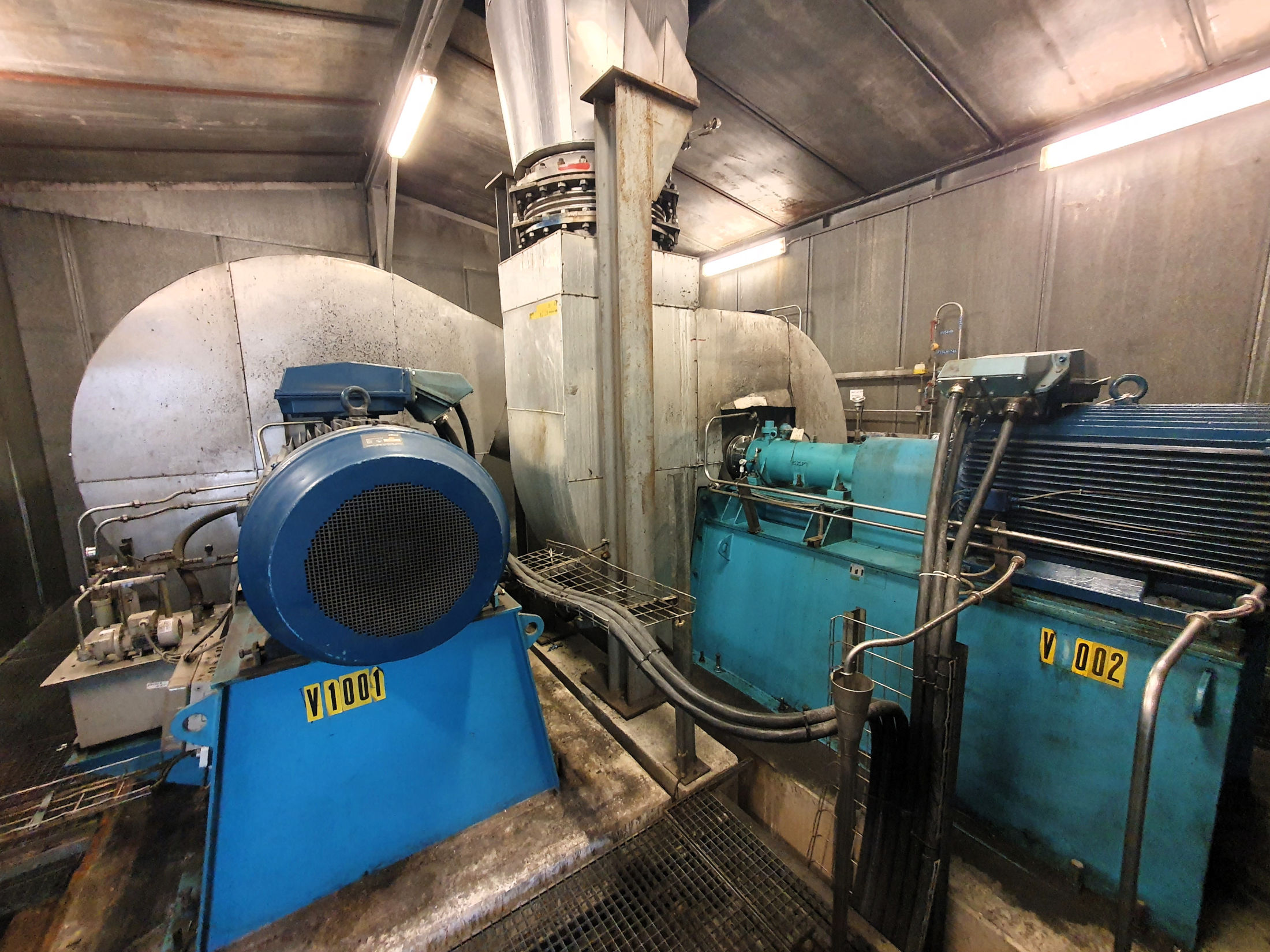
MVR compresses vapor from an evaporation process so it can supply the heat of evaporation again. It can turn a steam-intensive process into an electricity-driven thermal loop.
From fuel dependency to engineered electricity
Electrification of Thermal Processes
Electrification is not replacing every burner with a cable. It is the redesign of the heat supply architecture around temperature level, process dynamics, grid capacity and value of recovered heat.
Architecture before equipment
Thermal Integration
Thermal integration connects heat sources and heat sinks across a site so the process uses its own heat intelligently before buying fuel or electricity.
Lower temperature, higher optionality
Hot Water Loops
Hot water loops can unlock heat pumps, waste heat recovery and lower losses when processes do not truly require steam.
The core transition problem
Industrial Heat Decarbonization
Industrial heat decarbonization is the transformation of process heat demand, generation and distribution. It is a thermal architecture problem before it is a procurement problem.
Thermodynamic targeting
Pinch Analysis
Pinch analysis identifies the minimum heating and cooling requirements of a process by comparing hot and cold streams across temperature intervals.