Nouvelle usine ou nouvelle ligne
Concevoir dès le départ une architecture énergétique cohérente avec les besoins du procédé, les utilités, les contraintes d’exploitation et les futurs investissements.
Exergia accompagne les industriels dans leurs projets de nouvelle usine, d’extension ou de transformation, avec une expertise forte sur les procédés thermiques, les utilités, la vapeur, la chaleur fatale, l’électrification et les business cases CapEx.
Nous aidons les sites industriels à construire des architectures énergétiques robustes, performantes et évolutives, en reliant les contraintes du procédé, les choix d’utilités, les coûts d’exploitation, la constructibilité et la performance réelle en exploitation.
Construire une nouvelle usine, ajouter une ligne de production ou moderniser un site existant impose des choix structurants : niveaux de température, vapeur, eau chaude, froid, puissance électrique, récupération de chaleur, maintenance, sécurité et CapEx.
Ces décisions sont difficiles à corriger une fois les équipements installés. Une architecture énergétique mal pensée peut créer de la dépendance au gaz, des pertes thermiques, une électrification coûteuse ou des contraintes d’exploitation durables.
Point de départ
Une bonne architecture énergétique ne commence pas par le choix d'une technologie.
Elle commence par la compréhension du procédé.
Exergia part du terrain : besoins utiles, niveaux de température, profils de charge, contraintes de production, qualité, maintenance, sécurité et sources de chaleur déjà présentes sur le site.
Cette approche permet de comparer plusieurs scénarios techniques, économiques et CO₂ avant d’engager un investissement. La décarbonation devient alors le résultat mesurable d’un système mieux conçu, plus efficace et plus robuste.
Concevoir dès le départ une architecture énergétique cohérente avec les besoins du procédé, les utilités, les contraintes d’exploitation et les futurs investissements.
Anticiper les impacts sur la vapeur, le froid, l’eau chaude, l’électricité, la récupération de chaleur et les réseaux existants.
Repenser les systèmes hérités : chaudières, réseaux vapeur, boucles d’eau chaude, échangeurs, condensats, pertes et intégration thermique.
Comparer les leviers réalistes : chaleur fatale, pompes à chaleur, RMV, électrification, biomasse, hybridation, optimisation ou desteaming.
Chaque projet appelle une combinaison différente de leviers techniques. Voici trois familles d’expertise représentatives de l’approche Exergia.
Moderniser les réseaux vapeur, eau chaude et utilités thermiques pour réduire les pertes, simplifier l’exploitation et préparer les évolutions futures du site.
Lire l’expertiseIdentifier les sources de chaleur déjà présentes sur le site et les réutiliser au bon endroit avant de produire une nouvelle énergie.
Lire l’expertiseComparer pompes à chaleur industrielles, RMV, chaudières électriques, hybridation et contraintes réseau pour maximiser la valeur du kWh électrique.
Lire l’expertiseCes exemples illustrent la manière dont Exergia intervient : partir du procédé, concevoir une architecture robuste, sécuriser l’investissement et préparer une performance réelle en exploitation. Ils ne couvrent pas l’ensemble des projets possibles, mais montrent le type de trajectoires que nous aidons à construire.
Projet anonymisé
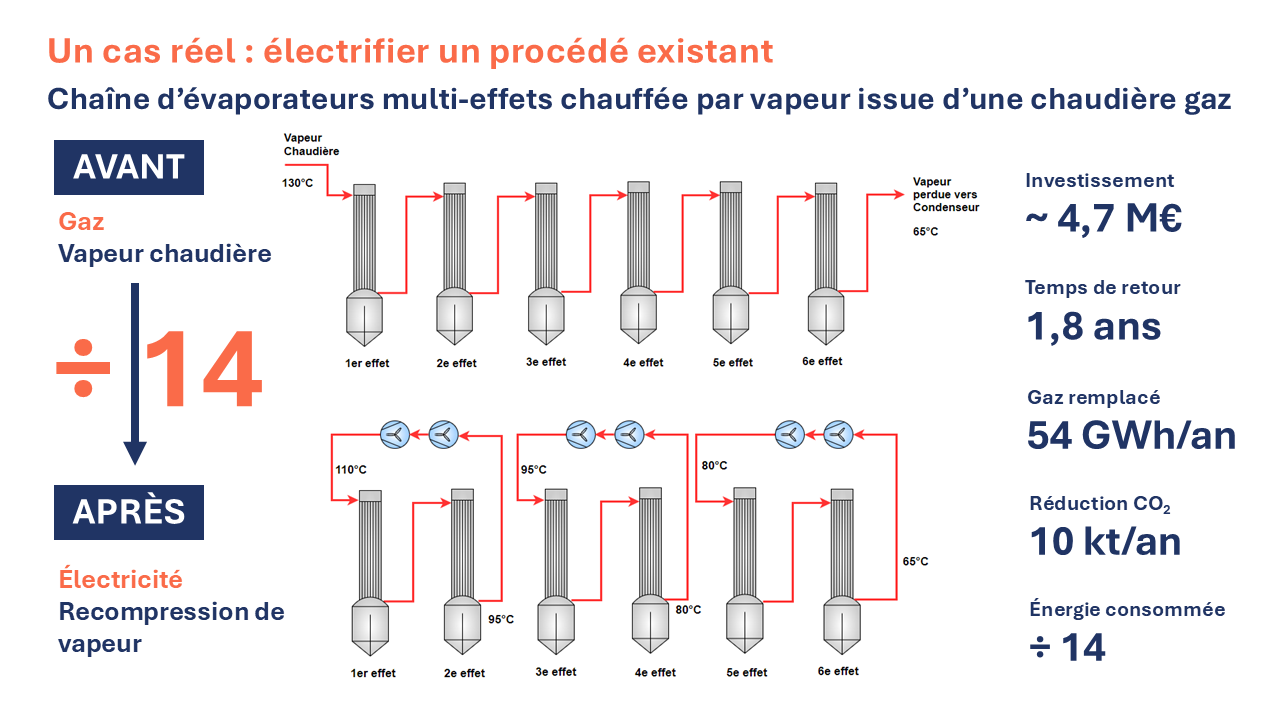
Un site industriel exploite une chaîne d’évaporateurs multi-effets chauffée par vapeur issue d’une chaudière gaz. Exergia a étudié l’électrification du procédé par recompression mécanique de vapeur afin de supprimer l’apport de vapeur chaudière, réduire la consommation de gaz et construire une feuille de route compatible avec le renouvellement des équipements.
Belgique - Agroalimentaire
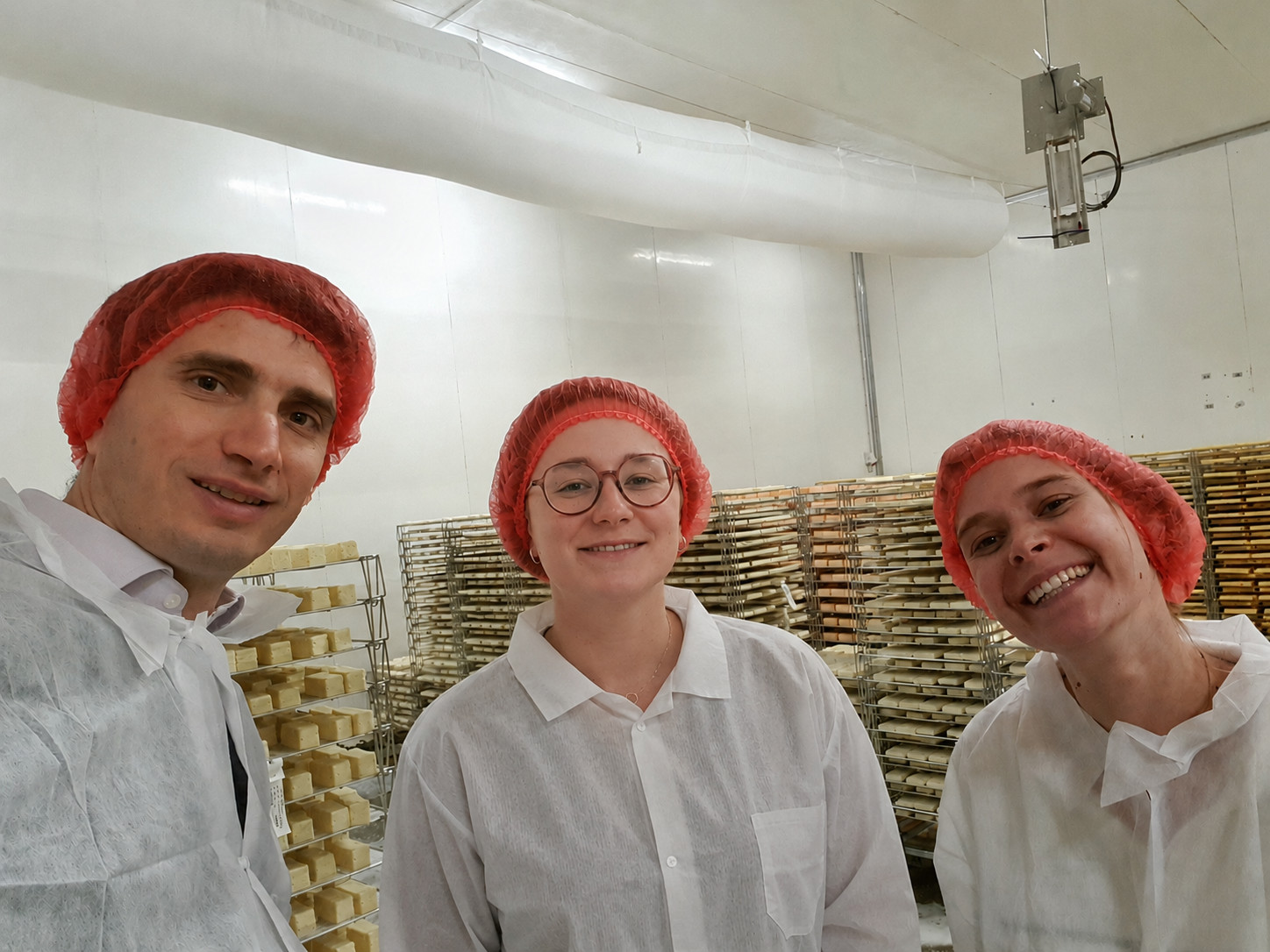
Sur de nombreux sites industriels, la vapeur est encore utilisée pour des besoins de chaleur inférieurs à 100 °C, principalement par héritage historique. Cette configuration engendre des pertes énergétiques importantes ainsi que des contraintes d’exploitation liées à la maintenance, au traitement d’eau et à la sécurité. Dans ce projet, Exergia a étudié la faisabilité d’une transition progressive vers un réseau d’eau chaude, mieux adapté aux besoins réels du procédé et compatible avec l’intégration de pompes à chaleur industrielles.
Belgique - Pharmaceutique
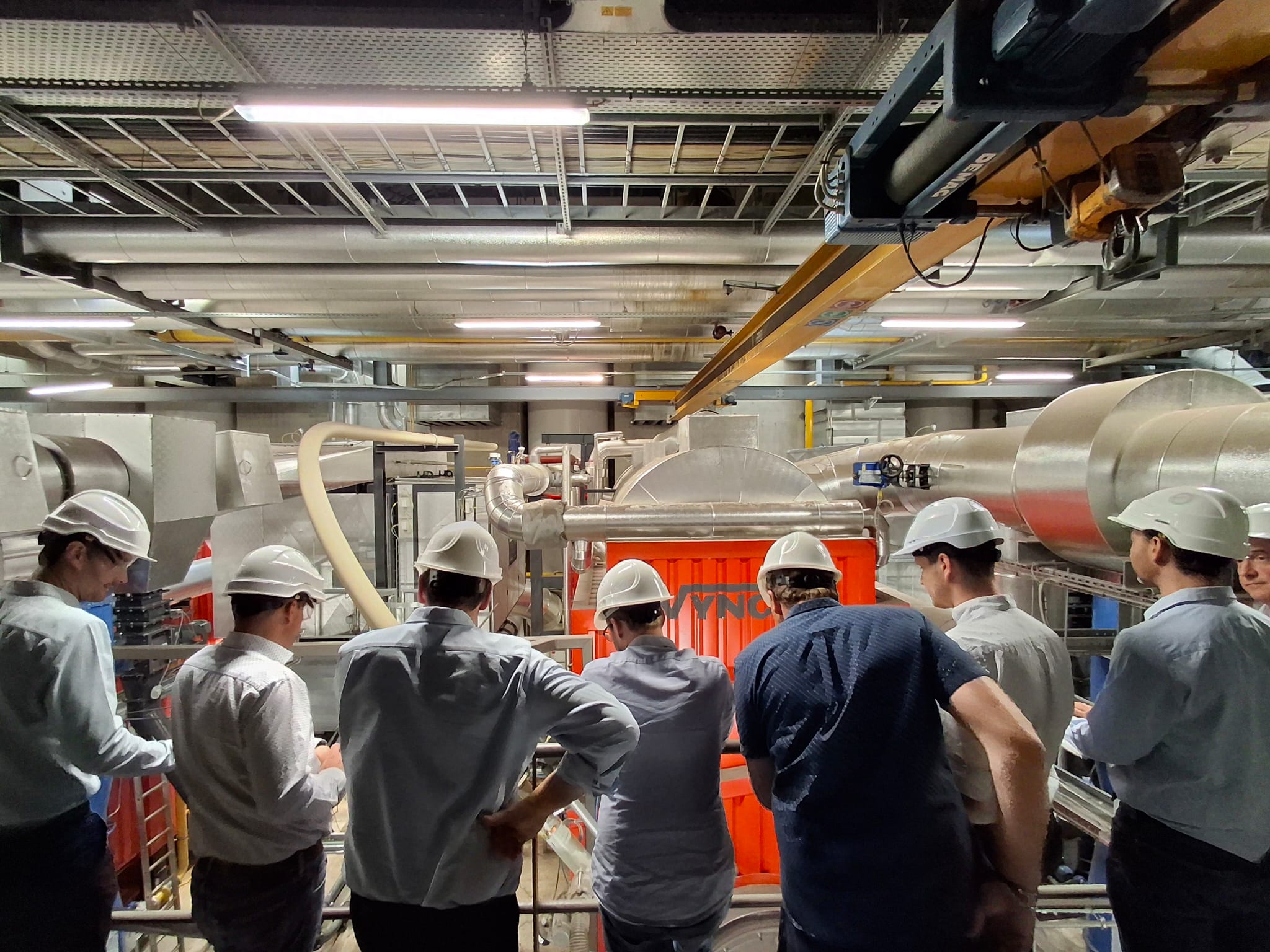
Sur un site industriel pharmaceutique, la vapeur était produite à partir de chaudières gaz. Exergia a accompagné la structuration d’un projet de décarbonation partielle de la production vapeur, en comparant plusieurs scénarios techniques, économiques et CO₂. L’étude a permis de passer d’un objectif de réduction des émissions à un projet CapEx défendable, compatible avec les contraintes d’exploitation du site, la flexibilité gaz/électricité et les exigences d’un dossier Innovation Fund Heat Auction.
Un projet énergétique performant ne se limite pas à une note de faisabilité. Il doit pouvoir être arbitré, financé, construit, exploité et suivi dans le temps.
1
Définir les besoins utiles, les niveaux de température, les flux énergétiques, les contraintes process et les interfaces avec les utilités existantes.
2
Comparer les scénarios, objectiver les CapEx/OpEx, les gains, les risques, la constructibilité, les subsides potentiels et les conditions de performance.
3
Structurer le phasage, les spécifications, les consultations fournisseurs, les interfaces chantier, la mise en service et le suivi de performance.
Nouvelle usine, extension, modernisation d’utilités, réseau vapeur, récupération de chaleur, électrification, efficacité énergétique ou projet CapEx : Exergia vous aide à transformer une idée technique en projet industriel défendable, construisible et performant.